Fast-Track Engineering Without Cutting Corners
Industrial projects rarely start with the luxury of time. A replacement is needed, equipment must be modified, a new solution has to be engineered, or a delivery date has suddenly become much closer than anyone would like. At the same time, requirements such as NORSOK, DNV and ATEX do not disappear because the schedule is tight.
Fast-track engineering is about making the project move faster — without creating problems that surface later.
Compliance starts before the drawings are finished
NORSOK, DNV and ATEX requirements can affect materials, calculations, components, welding, documentation, testing and inspection. If these requirements enter the project after engineering has started, completed work may have to be revisited.
A fast-track project identifies the applicable requirements early and builds them into the execution plan.
Engineering and fabrication can overlap
The traditional sequence is simple: finish engineering, release drawings, source materials, find fabrication capacity and then start production.
That sequence is safe. It can also consume valuable weeks.
Where the project allows it, selected activities can run in parallel. Long-lead materials can be identified early. Fabrication capacity can be reserved. Approved parts of the design can move forward while other details are still being completed.
One project needs one point of control
Adding more suppliers does not automatically make a project faster. Someone still has to coordinate engineering, procurement, fabrication, inspection, documentation and delivery.
GravityX takes that role. Instead of leaving the customer to manage several separate interfaces, we organise the resources around the delivery and keep the project moving from the first technical discussion through engineering to finished equipment.
The real fast-track problem is rarely engineering speed
When a delivery date becomes critical, the obvious reaction is to ask engineering to work faster or fabrication to start sooner.
That can help. But it is often not where the biggest delays originate.
A drawing can wait for clarification. Engineering may select a component before anyone checks its lead time. A fabricator can be ready to start while material documentation is still unresolved. An inspection point may appear in the project plan only after welding has begun. Equipment intended for a hazardous area can reach procurement before the ATEX implications have been properly addressed.
Each delay looks small on its own. Together, they consume the schedule.
That is why we believe fast-track engineering should not mean compressing every activity independently. It means changing how the project is executed.
The first step is to establish what actually governs the delivery: technical requirements, applicable standards, certification needs, critical components, fabrication capacity, inspections and documentation. Once those constraints are visible, activities that do not depend on each other can move in parallel.
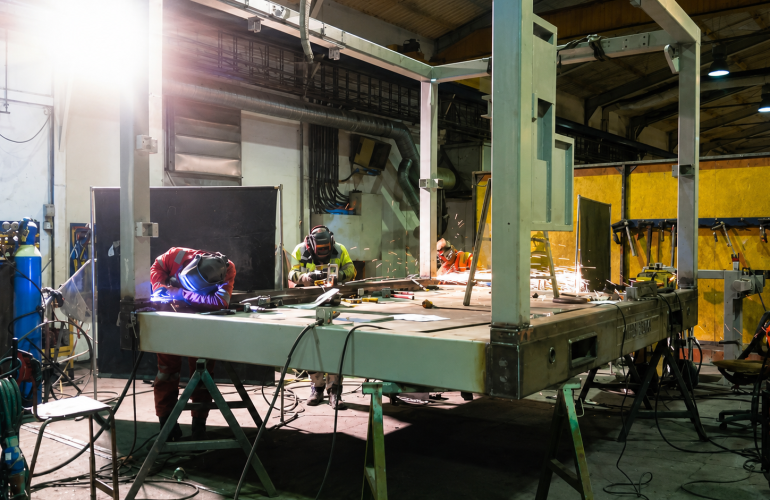
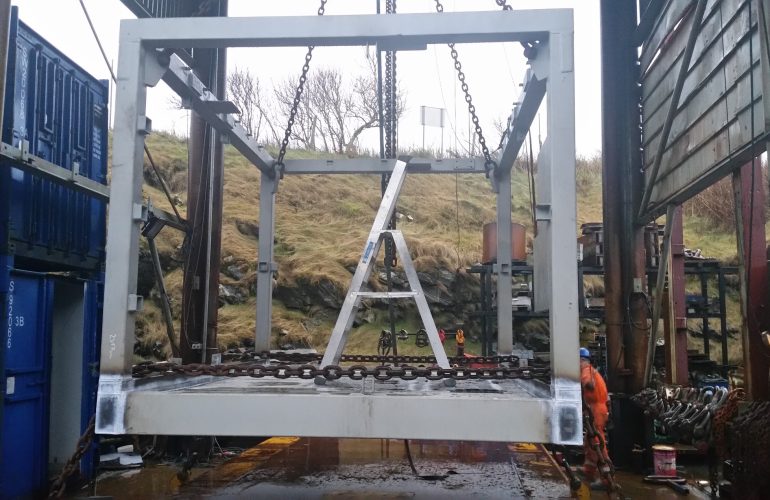
Consider a fabricated lifting structure that requires DNV involvement. Waiting for every detail to be completed before discussing fabrication capacity may add unnecessary time. Starting fabrication before the design basis, material requirements and inspection points are understood creates the opposite problem: speed today can become rework tomorrow.
Neither approach is genuinely fast-track.
The better approach is controlled overlap.
Engineering releases what is sufficiently mature. Procurement works on confirmed long-lead items. Fabrication planning starts before the final drawing package is complete. Required inspections are identified before the relevant work takes place. Documentation develops alongside the physical equipment instead of becoming a separate recovery project at the end.
This changes another part of the equation as well: responsibility.
When engineering, fabrication, certification and procurement sit with separate parties, the customer can become the person connecting them all. Every technical question crosses another interface, and every unclear responsibility can become another delay.
GravityX approaches the project as one execution problem.
We bring together the engineering, fabrication and specialist resources the job requires, coordinate the interfaces and keep compliance requirements inside the workflow from the beginning.
Fast track should never mean skipping the steps that protect the project.
It should mean removing the waiting between them.