Compliance starts before fabrication
When a project references NORSOK, DNV, ATEX or another technical requirement, the important question is not how to complete the paperwork at the end. It is what those requirements change in the project before engineering, purchasing and fabrication begin.
Different requirements affect different parts of the job
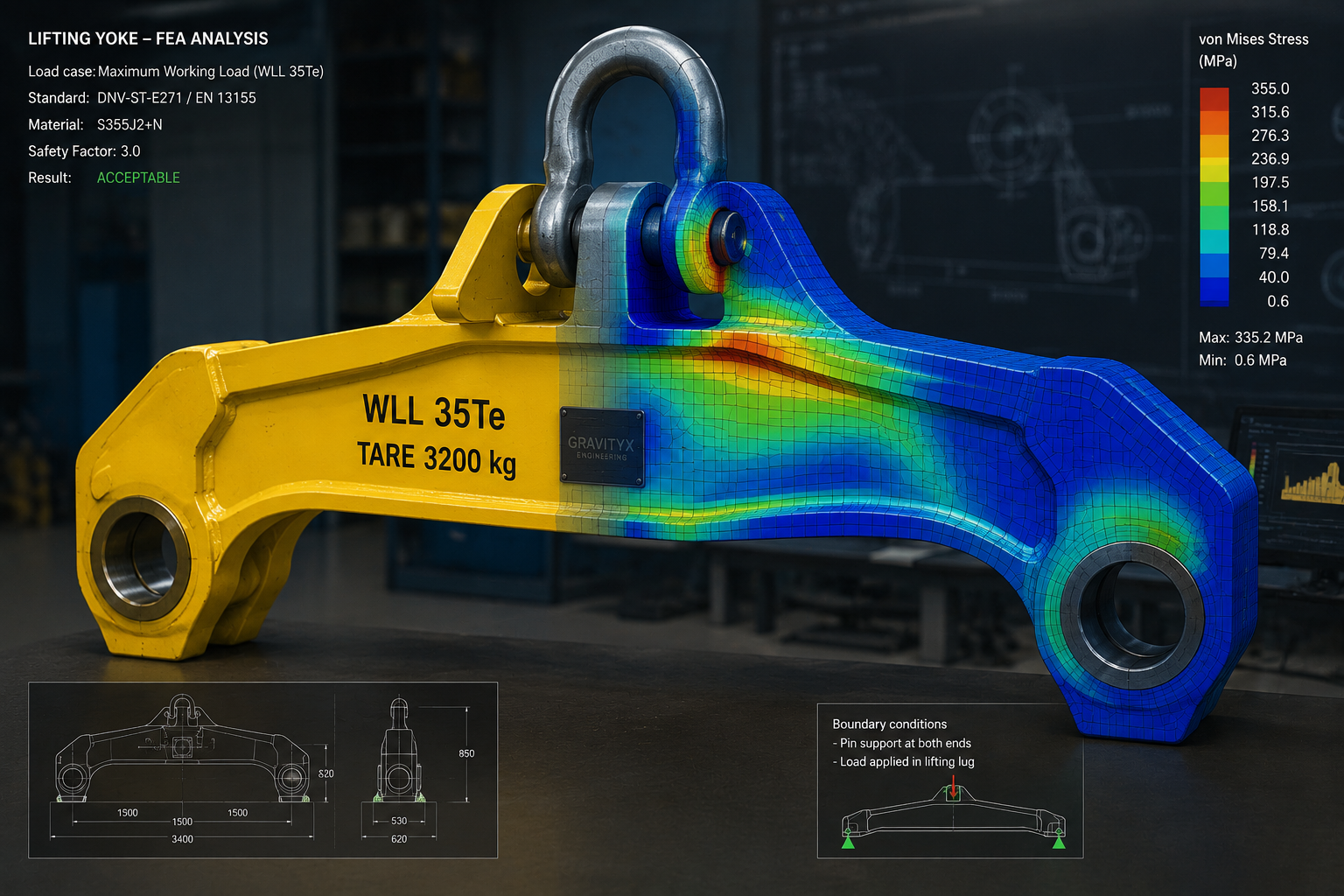
A standard, class requirement or project specification may influence materials, calculations, welding procedures, inspection, testing, hazardous-area equipment or the documentation that follows the delivery. Applicability depends on the equipment, contract, operating environment and defined project basis.
That is why “NORSOK compliant” or “DNV certified” should not be treated as a generic label. The relevant requirements need to be identified against the actual scope.
Late compliance decisions create rework
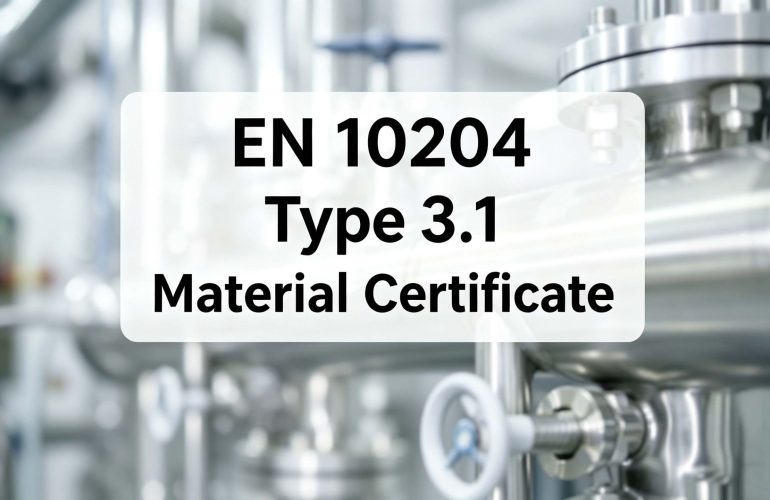
If the certification or documentation basis is clarified after drawings are released, components are ordered or steel is cut, apparently small requirements can become schedule problems. A material certificate may be missing. A selected component may not suit the hazardous area. An inspection point may have passed before the required party was involved.
The practical approach is to establish the compliance basis early, then let engineering, procurement, fabrication, inspection and documentation follow the same plan.
One project, not a separate compliance exercise
GravityX can coordinate the relevant engineering, fabrication and specialist resources around the project requirements. Where third-party certification, inspection or specialist assessment is required, those interfaces can be brought into the plan rather than discovered at the end.
Compliance works best as a design and execution input — not as a final check before delivery.
Have a scope with NORSOK, DNV, ATEX or other specified requirements? Send GravityX the scope and we can help establish what needs to be addressed before the project moves forward.