EX Equipment — Know the Area Before You Design
An EX requirement can change far more than the electrical components on a machine. If equipment will operate where flammable gas, vapour or dust may be present, the hazardous-area requirements need to be understood early — before motors, sensors, controls and other components are selected.
It starts with the hazardous area
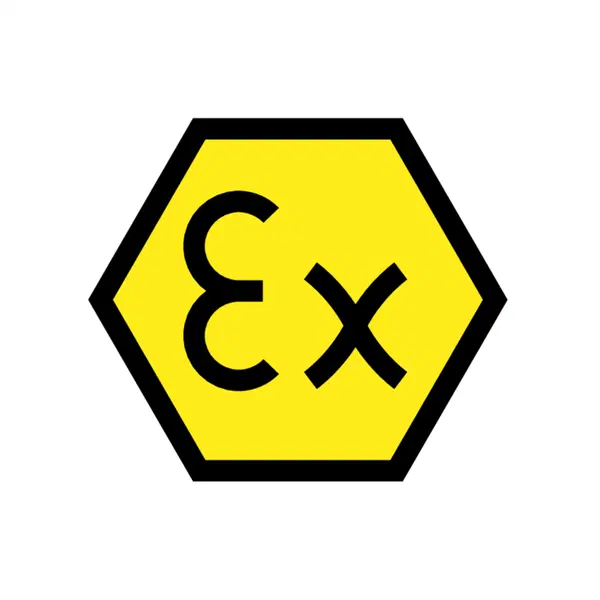
“EX” is not one universal specification. The applicable zone, gas or dust group, temperature requirements and certification scheme determine what equipment can be used. Get this wrong at the start, and otherwise suitable components may have to be replaced later.
More than an EX motor
A machine does not become suitable for a hazardous area simply because the main motor carries an EX marking. Sensors, junction boxes, solenoids, switches, instrumentation, cable entries and other electrical components may all be affected by the area classification.
The paperwork matters too
Correct equipment selection is only part of the job. Certificates, equipment markings, component documentation and the final technical file must correspond with what was actually installed. A compliant component is of little value if its documentation cannot be traced when the equipment is inspected.
“EX requirements are much easier to manage when they are treated as a design input — not something to solve when the equipment is already built.”
EX requirements can influence the whole project
Consider a relatively straightforward piece of offshore equipment: a hydraulic winch, reel or handling unit. The mechanical concept may already be clear. Then the installation location is confirmed as a hazardous area. Suddenly, a standard electrical motor or local control panel may no longer be suitable. A sensor selected weeks earlier may need a different protection concept. Even a small change can affect procurement, wiring, documentation and testing.
This is why the first useful question is rarely “Can you supply this EX?” It is “Where will the equipment operate, and what exactly applies there?” Zone classification, gas group, temperature class and the required certification framework establish the boundaries for the design. ATEX and IECEx are related to the same fundamental hazardous-area problem, but they are not interchangeable labels that can simply be added to a specification.
For custom equipment, those requirements need to follow the project from engineering through component selection, fabrication, assembly and final documentation. GravityX brings the relevant engineering and fabrication resources into one project team, so EX requirements can be addressed alongside the mechanical design rather than becoming a separate problem at the end.