DNV 2.7-3 — When Equipment Has to Go Offshore
Getting a piece of equipment to work is one thing. Getting it designed, built, lifted, transported and accepted for offshore use can be a very different project.
DNV 2.7-3 provides a framework for portable offshore units — equipment that is transported offshore for use there, but does not necessarily fit the definition of a conventional offshore container.
Built for more than the job itself
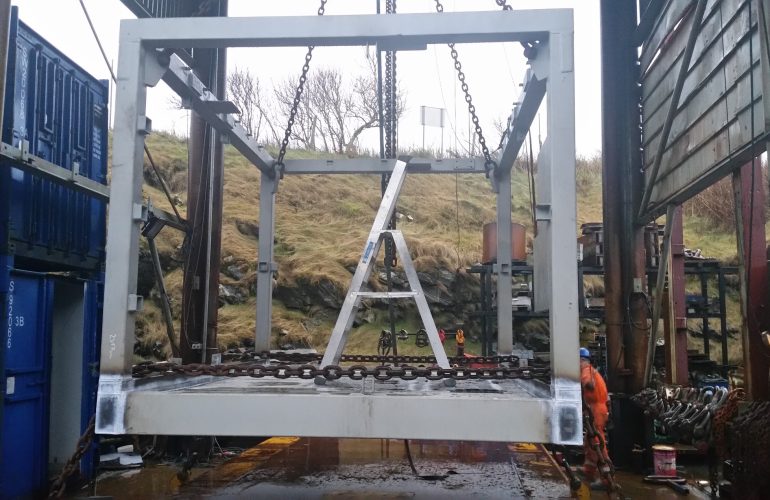
A portable offshore unit may contain machinery, hydraulic equipment, winches, pumps, process equipment or other systems designed for a specific task. But the function of the equipment is only part of the engineering challenge. The complete unit also has to withstand the loads associated with transport, handling and offshore lifting.
The structure matters
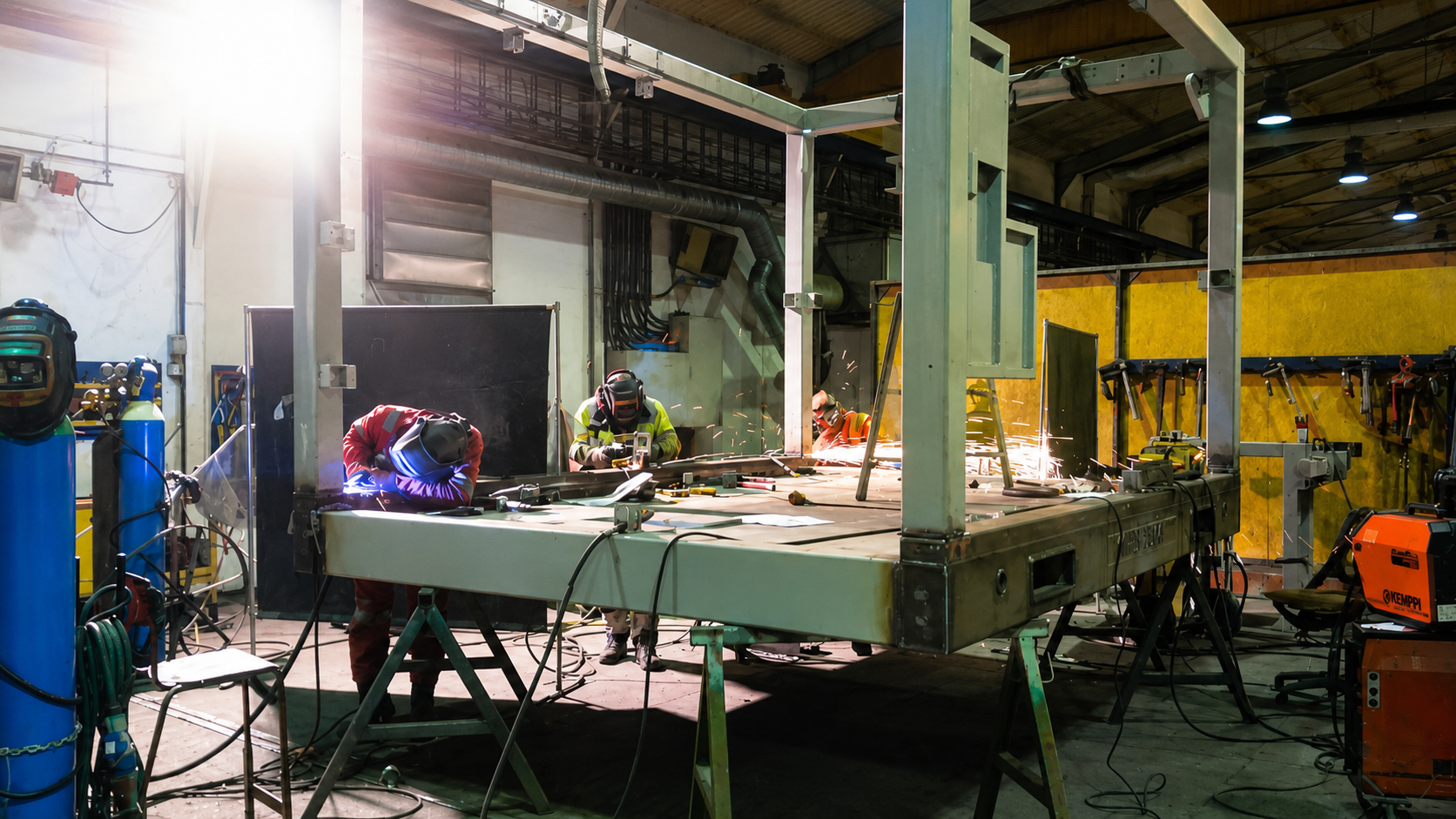
Frames, lifting points, connections and structural details cannot simply be added once the equipment design is finished. Loads have to be understood and documented, materials selected correctly, and fabrication carried out according to the applicable requirements. For many projects, that makes the supporting structure an important engineering task in its own right.
Certification starts before fabrication
Waiting until the equipment is finished before considering DNV requirements can create expensive problems. Drawings, calculations, material documentation, welding, inspection and testing may all become part of the certification process. The practical route is to establish the applicable requirements early and build the documentation alongside the equipment.
“Offshore equipment has two jobs. It has to perform its intended function — and it has to get offshore safely in the first place.”
DNV 2.7-3 is not simply another name for an offshore container
This distinction matters. DNV has separate standards within the 2.7 series: DNV 2.7-1 addresses offshore containers, while DNV 2.7-3 addresses portable offshore units. Choosing the right certification route therefore starts with understanding what the equipment actually is, how it will be transported and lifted, and what it will do once offshore.
Consider a custom-built hydraulic power unit, test skid, winch package or piece of subsea support equipment. The machinery may be straightforward. The complications often appear around it: Where are the lifting points? What happens to the structure during an offshore lift? Which materials require traceability? Which welds require documented procedures? What needs to be inspected, witnessed or tested?
Those questions are much easier to deal with before steel is cut. GravityX can bring engineering, fabrication, documentation and certification activities into the same project from the start — and take the equipment from an initial requirement to a finished offshore unit.