When a Standard Winch Is Not Enough
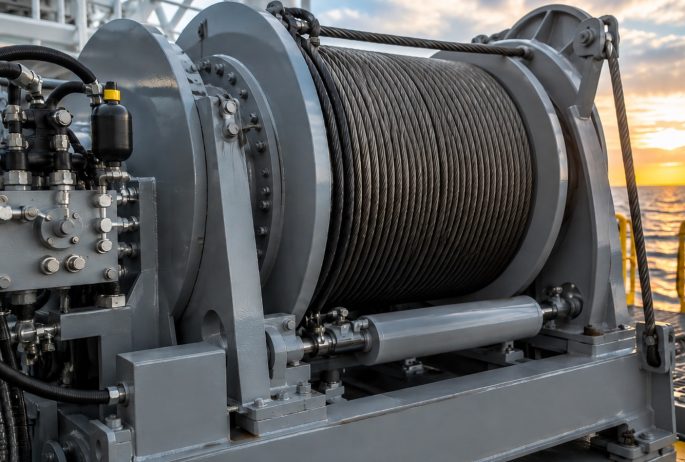
A winch can look like a simple piece of equipment. Then the requirements start coming in: 30 tonnes of line pull, 800 metres of wire, operation offshore, limited deck space, controlled payout, multiple rope layers — and perhaps DNV, NORSOK or hazardous-area requirements on top.
At that point, you are no longer selecting a winch. You are engineering a system.
Start with the operation
What is the winch actually going to do?
Pulling, lifting, lowering, tensioning and subsea deployment create different requirements. The designer needs to understand maximum and minimum line pull, speed, duty cycle, dynamic loads, required holding capacity and what happens when power is lost.
A winch designed around the wrong operating case can be perfectly well engineered — and still be the wrong winch.
The rope changes the machine
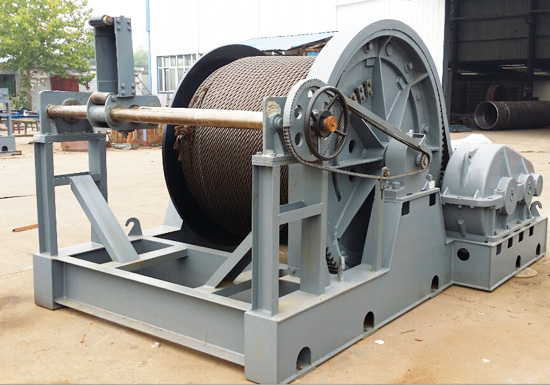
Wire diameter, construction, length and minimum breaking load affect much more than rope selection. They influence drum diameter, drum width, number of layers, groove geometry, sheave sizes and ultimately the dimensions of the complete package.
Then comes spooling. With multi-layer winding, parameters such as fleet angle, rope tension and the relationship between drum and rope diameter become important to how the rope behaves as it crosses the drum and builds successive layers.
A seemingly small change in rope specification can therefore propagate through the entire design.
The surroundings set another set of rules
A winch working inside a factory and a winch operating on an exposed offshore deck may perform the same basic movement, but they are not the same engineering problem.
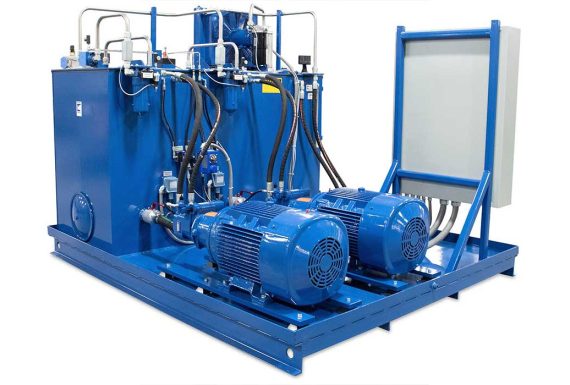
Salt water, temperature, vessel motion, available electrical or hydraulic power, deck loading, interfaces, lifting points, maintenance access and hazardous-area requirements can all affect the final design. If certification is required, the applicable standards and verification scope should be established early — not added after the machine has been designed.

We challenge every price!

We challenge every solution!